
What is Blockchain?
Why Blockchain echnology is set to change the internet and your life soon. This article explains the evolution, key elements, practical applications, and benefits of Blockchain across various industries, along with a guide to getting started.
1. Blockchain Definition and its key features and components?
Blockchain is a distributed ledger technology that allows for secure, transparent, and tamper-proof transactions. It is the underlying technology behind cryptocurrencies such as Bitcoin, but it has many other potential applications.
One of the key features of blockchain is that it is decentralized. This means that there is no single authority that controls the network. Instead, it is maintained by a network of computers around the world. This makes it very secure and resistant to fraud. This feature can vary and depend on many aspects of a blockchain, so that we need to check detail before any conclusion.
Another key feature of blockchain is that it is transparent. All transactions on a blockchain are publicly recorded and can be viewed by anyone. This makes it very difficult to tamper (delete or change) with data or commit fraud. There are public and private blockchain, and the transparent of private blockchains is only applied for some private parties.
Blockchain is made up of several key components, including:
- Blocks: Blocks are the basic building blocks of a blockchain. They contain data about transactions, such as the date, time, and amount of each transaction.
- Nodes: Nodes are computers that are connected to the blockchain network. They are responsible for verifying transactions and adding new blocks to the blockchain.
- Consensus mechanism: The consensus mechanism is a set of rules that govern how nodes agree on the state of the blockchain. There are several different consensus mechanisms, such as proof of work and proof of stake.
- Cryptography: Cryptography is used to secure transactions and ensure the integrity of the blockchain.
Here is a simplified explanation of how blockchain works:
- A user initiates a transaction, such as sending Bitcoin to another user.
- The transaction is broadcast to the blockchain network.
- Nodes on the network verify the transaction.
- Once the transaction is verified, it is added to a new block.
- The new block is added to the blockchain.
- The transaction is now complete and cannot be reversed.
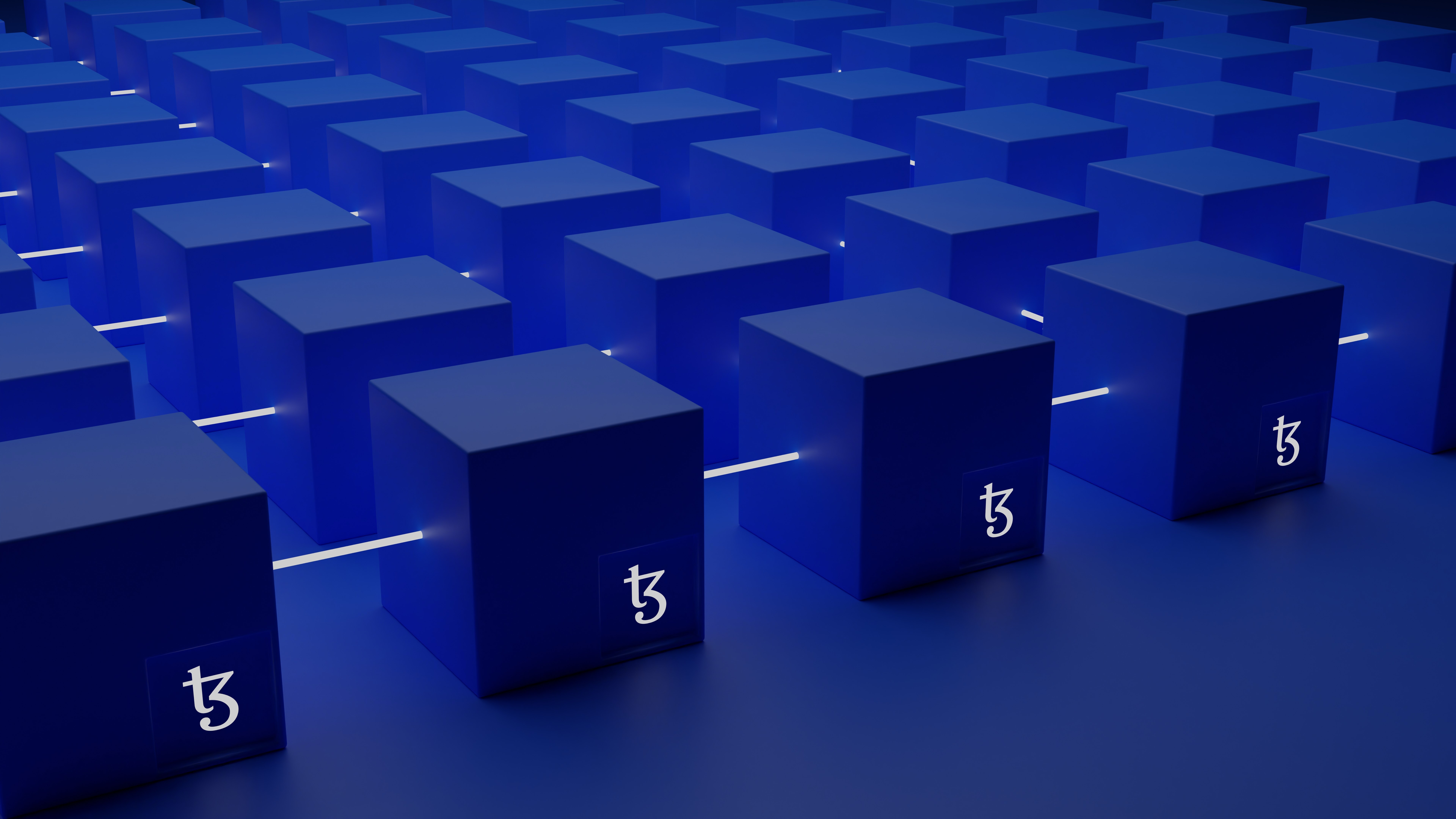
Think Blockchain as database technology:
Blockchain is a type of distributed database that allows for secure, transparent, and tamper-proof transactions. It is made up of a network of computers, called nodes, that each store a copy of the database. This decentralized structure makes it very secure and difficult to hack or tamper with data.
To add new data to the blockchain, nodes must agree on a consensus mechanism.
Once a new block of data is added to the blockchain, it cannot be changed or deleted. This makes blockchain a very transparent and reliable way to record transactions.
More about the Blockchain consensus mechanism
The most well-known consensus mechanism is called Proof of Work (PoS), which requires nodes to solve complex mathematical problems. The first node to solve the problem is rewarded with new tokens, which are digital assets that can be used to represent a variety of things, such as currencies, securities, or ownership of physical assets.
Another common consensus mechanism, Proof of stake (PoS) is a consensus mechanism used in some blockchain networks to validate blocks and add them to the blockchain. In PoS, the right to validate blocks is based on the amount of tokens that a node holds. The more tokens a node holds, the more likely it is to be selected to validate the next block.
PoS is a more energy-efficient consensus mechanism than proof of work (PoW), which is used by Bitcoin and other early cryptocurrencies. In PoW, nodes must solve complex mathematical problems in order to validate blocks. This process requires a lot of computing power and energy. PoS, on the other hand, does not require nodes to solve complex mathematical problems. This makes it a more energy-efficient and environmentally friendly consensus mechanism.
Here is a simplified explanation of how PoS works:
- A node stakes its tokens in order to be eligible to validate blocks.
- The node is assigned a weight based on the number of tokens it has staked.
- The node is then selected to validate a block based on its weight.
- Once the node has validated a block, it receives a reward in the form of new tokens.
2. Blockchain evolution in 14 years (2011-2023)
Blockchain generation 1
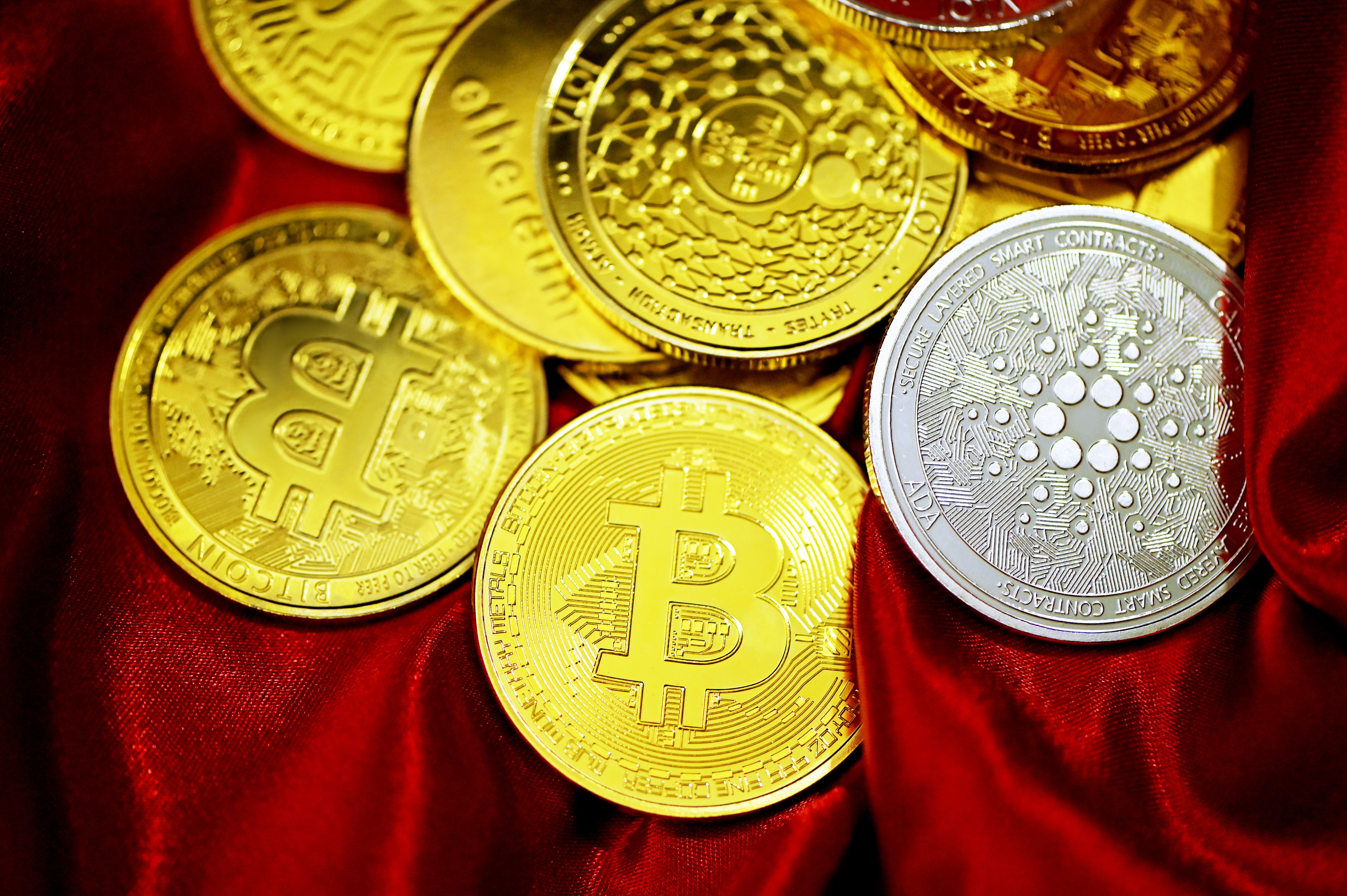
Blockchain generation 1 is focused on the creation and use of cryptocurrencies, such as Bitcoin. Bitcoin was the first blockchain-based cryptocurrency, and it is still the most well-known and widely used cryptocurrency today.
First-generation blockchains are typically slow and expensive to use, and they have limited scalability. However, they are also very secure and resistant to fraud.
Some sample of Blockchain generation 1:
- Bitcoin: https://bitcoin.org/en/
- Litecoin: https://litecoin.org/
- Dogecoin: https://dogecoin.com/
Blockchain generation 2
Blockchain generation 2 is focused on the development of smart contracts. Smart contracts are self-executing contracts that are stored on a blockchain. They can be used to automate a wide range of transactions, from financial agreements to supply chain management.
Second-generation blockchains are typically more scalable and efficient than first-generation blockchains. However, they can also be more complex and difficult to use.
Some sample of Blockchain generation 2:
- Ethereum: https://ethereum.org/en/
- Tron: https://tron.network/
- EOS: https://eosnetwork.com/

Blockchain generation 3
Blockchain generation 3 is focused on the development of decentralized applications (dApps). DApps are applications that run on a blockchain and are not controlled by any single entity.
Third-generation blockchains are designed to be even more scalable and efficient than second-generation blockchains. They are also designed to be more user-friendly and easier to develop on.
Some sample of Blockchain generation 3:
- Cardano: https://cardano.org/
- Solana: https://solana.com/
- Avalanche: https://www.avax.network/
- Algorand: https://algorand.com/
How does Blockchain get updated?
Blockchain updates are made through a process called a software fork. A software fork is a change to the blockchain protocol that is not backwards compatible. This means that once a software fork is implemented, nodes that are running the old version of the protocol will no longer be able to communicate with nodes that are running the new version of the protocol.
There are two main types of software forks:
- Soft fork: A soft fork is a change to the blockchain protocol that is backwards compatible. This means that nodes that are running the old version of the protocol will still be able to communicate with nodes that are running the new version of the protocol.
- Hard fork: A hard fork is a change to the blockchain protocol that is not backwards compatible. This means that nodes that are running the old version of the protocol will no longer be able to communicate with nodes that are running the new version of the protocol.
3. Smart contracts, Tokens and Decentralized Applications
From Blockchain generation 2, smart contracts and tokens are two of the most important innovations in blockchain technology.
- Smart contracts are self-executing contracts that are stored on a blockchain. They can be used to automate a wide range of transactions, from financial agreements to supply chain management.
- Tokens are digital assets that can be used to represent a wide range of things, such as currencies, securities, or ownership of physical assets.
Smart contracts and tokens have a number of benefits, including:
- Security: Smart contracts and tokens are very secure because they are stored on a blockchain. This means that they are very difficult to hack or tamper with.
- Transparency: All transactions involving smart contracts and tokens are publicly recorded on the blockchain. This makes it very difficult to commit fraud or corruption.
- Efficiency: Smart contracts and tokens can help to improve the efficiency of many processes, such as financial transactions and supply chain management.
- Trust: Smart contracts and tokens can help to build trust between parties who do not know each other.
Here are some specific examples of the benefits of smart contracts and tokens:
- Smart contracts can be used to create new financial products and services, such as decentralized exchanges and peer-to-peer lending platforms.
- Smart contracts can be used to streamline supply chain management processes, such as tracking the movement of goods and ensuring that payments are made on time.
- Smart contracts can be used to create new forms of digital ownership, such as non-fungible tokens (NFTs), which can be used to represent ownership of digital art, collectibles, and other assets.
- Tokens can be used to create new crowdfunding platforms that allow people to invest in new businesses and projects.
Smart contracts and tokens have the potential to revolutionize many industries. As these technologies continue to develop and mature, we can expect to see even more innovative and groundbreaking applications emerge. They are key components in a web3 application.
5. Benefits of blockchain
Overall
Blockchain has the potential to revolutionize many industries, including finance, healthcare, and supply chain management. Here are just a few examples of how blockchain could be used in the future:
- Finance: Blockchain could be used to create more efficient and secure financial systems. For example, it could be used to develop new payment systems that are faster and cheaper than traditional methods. It could also be used to create new financial products, such as decentralized exchanges and peer-to-peer lending platforms.
- Healthcare: Blockchain could be used to improve the security and efficiency of healthcare systems. For example, it could be used to create electronic health records that are tamper-proof and can be easily shared between healthcare providers. It could also be used to develop new supply chain management systems that track the movement of drugs and other medical supplies.
- Supply chain management: Blockchain could be used to improve the transparency and efficiency of supply chains. For example, it could be used to track the movement of goods from the factory to the store. This would help to reduce fraud and ensure that products are safe and authentic.
In addition to these specific examples, blockchain has the potential to change the way we interact with the internet. For example, it could be used to create new social networks that are more resistant to censorship and surveillance. It could also be used to develop new decentralized applications (dApps) that run on the blockchain.
Decentralized applications (dApps)
dApps are applications that run on a blockchain network. They are not controlled by any single entity, but rather by the users of the network. This makes them more secure and resistant to censorship.
dApps can be used for a wide variety of purposes, including:
- Financial services: dApps can be used to create new financial products and services, such as decentralized exchanges and peer-to-peer lending platforms.
- Gaming: dApps can be used to create new types of games, such as games where players can own and trade their own in-game assets.
- Social media: dApps can be used to create new social media platforms that are more resistant to censorship and surveillance.
- Supply chain management: dApps can be used to create new supply chain management systems that are more transparent and efficient.
dApps are still in their early stages of development, but they have the potential to revolutionize many industries. Here are some examples of popular dApps:
- Uniswap: Uniswap is a decentralized exchange that allows users to trade cryptocurrencies without the need for a middleman.
- Aave: Aave is a decentralized lending platform that allows users to borrow and lend cryptocurrencies.
- Axie Infinity: Axie Infinity is a blockchain-based game where players can breed, raise, and battle Axies, which are digital creatures.
- Decentralized Autonomous Organizations (DAOs): DAOs are organizations that are governed by smart contracts. They allow people to collaborate on projects without the need for a central authority.
dApps are a powerful new technology with the potential to change the way we interact with the internet. As dApps continue to develop and mature, we can expect to see even more innovative and groundbreaking applications emerge.
6. Here are some tips for getting started with blockchain:
Learn about the basics of blockchain: There are many resources available online and in libraries that can teach you about the basics of blockchain technology.
- Try out Blockchain demo at https://andersbrownworth.com/blockchain
- Reading Bitcoin white paper and the book Mastering Bitcoin 2nd Edition - Programming the Open Blockchain
- Start experimenting with blockchain: You can create a wallet in any blockchain above, try out in testnet.
- Put some small money (about 100$-1000$) to invest in blockchain and crypto to start do your own research.

Blockchain technology is still in its early stages of development, but it has the potential to revolutionize many industries. As blockchain generation 3 platforms continue to develop, we can expect to see even more innovative and groundbreaking applications emerge.
Share via:
Subscribe to our newsletters:


UCTalent
We always strive to connect talents with the leading companies in the Web3 world. By leveraging job matching mechanism to match personal preferences with suitable jobs, we help companies connect with global talents quickly and at lowest costs, and open up a world of opportunities.
For Companies
@2023 UCTalent. All rights reserved.